Home Superior
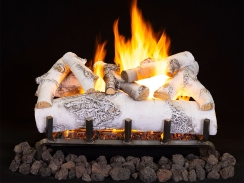
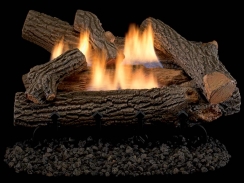
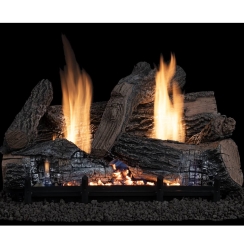
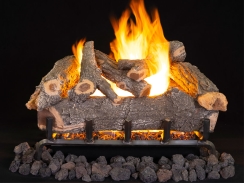
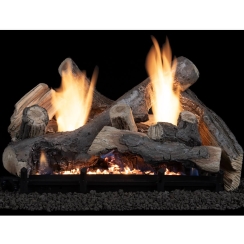
Superior Gas Logs

Superior Gas Logs

Displaying 1–8 of 8 items

Related Articles

Have questions?

Our NFI-certified experts are here to help!
Chat with us Chat With Us
Send a message Send a Message
Call us at 800-203-1642 Call 1-800-203-1642

Customer Q&A with Product Specialists

James J. from asked:
Is heat resistant caulk required where the flue penetrates the roof deck (approx. 7' from firebox)?
The vent pipe should have the proper clearance as it passes the roof deck, and this should be void space with no material - the underside penetration can be flashed with sheet metal and the top side is covered by a roof flashing (mounted to the roof deck under the shingles). The clearance requirement will depend on the manufacturer and model of the fireplace and chimney/vent pipe you are installing.
Answered by: Tyler M. - NFI Master Hearth Professional

Helpful?

0
Edwin B. from seaside,ca asked:
How often do you have to replace gas fireplace logs? thx.
For the ceramic fiber log material offered with the lower-priced log sets, this material will break down over time and require replacement in roughly 5-10 years. For the higher-tier refractory ceramic logs, these will last a lifetime.
Answered by: Will M.

Helpful?

0
Showing 2 of 2 Questions and Answers
Ask a Question

About Superior Gas Logs

The Superior Gas Logs on eFireplaceStore offer a convenient and realistic alternative to traditional wood fires for anyone seeking to add warmth and ambiance to their home. If you appreciate the cozy glow of a fireplace but want to avoid the hassle of chopping and storing wood, or if you're looking for a vent-free heating solution, these gas log sets are designed for you. When selecting the right set, consider the type of gas you'll be using, whether natural gas or propane, and the ventilation options available for your fireplace, as different settings require specific vent types. It's also important to think about the material and realistic appearance of the logs themselves, and how much heat output, measured in BTU, you desire. Understanding your home's gas pressure capabilities for both natural gas and propane is crucial, as is ensuring the unit meets necessary safety certifications. The valve type will also influence how you operate your new gas logs.
chat-bot-icon